
In today’s multifamily housing market, apartment communities are competing on much more than location and square footage. Residents expect convenience, flexibility, and lifestyle-focused amenities that enhance their everyday lives. Among those amenities, few have become more valuable than a thoughtfully designed fitness center.
The days of dedicating a small room to a couple of treadmills and a rack of dumbbells are long gone. Modern renters want access to fitness experiences that rival commercial gyms while still fitting seamlessly into the community they call home. For property developers, owners, and managers, this presents both an opportunity and a challenge: how do you create a premium fitness center that attracts and retains residents without wasting valuable square footage?
The answer lies in smart planning, efficient equipment selection, and a focus on creating a space that serves a wide range of users. The most successful apartment fitness centers today aren't necessarily the largest—they're the most intentional. By choosing the right apartment gym equipment and designing with shared spaces in mind, multifamily properties can deliver a premium fitness experience that maximizes both resident satisfaction and return on investment.
Why Apartment Fitness Centers Matter More Than Ever
Resident expectations have changed dramatically over the past decade. Fitness is no longer viewed as a luxury amenity reserved for upscale communities. Instead, it has become a core feature that influences leasing decisions and long-term resident satisfaction.
Modern renters lead busy lives. Many work remotely or maintain hybrid schedules, making convenience a major priority. Having access to a well-equipped fitness center just steps from their apartment removes barriers to exercise and supports healthier lifestyles. It also eliminates the need for additional gym memberships, creating added value for residents.
Research consistently shows that amenity-rich communities tend to experience stronger resident satisfaction and improved retention rates. Fitness centers rank among the most frequently used amenities in multifamily housing because they offer tangible daily value. Unlike a clubhouse or event space that may only be used occasionally, a fitness center can become part of a resident's routine.
When designed correctly, a premium fitness center doesn't just fill space—it becomes a competitive advantage.
Understanding Today's Multifamily Fitness Center Trends
Before selecting apartment gym equipment, it's important to understand how fitness habits are evolving.
One of the biggest trends in multifamily fitness design is versatility. Residents want the ability to perform a variety of workouts without needing multiple specialized areas. Strength training, functional fitness, mobility work, and conditioning exercises are all increasingly popular among renters of different age groups and fitness levels.
Another significant trend is the move toward strength-focused training. While cardio equipment remains important, strength training has become a primary fitness goal for many users. Residents are looking for efficient ways to build strength, improve overall health, and maintain fitness without spending hours in a gym.
Technology and convenience are also shaping expectations. Residents appreciate spaces that feel modern, organized, and easy to navigate. Clean layouts, premium finishes, and thoughtfully selected equipment create an experience that feels elevated rather than crowded.
The most successful multifamily fitness centers recognize these trends and invest in equipment that supports multiple training styles while maximizing available space.
Why Space Efficiency Should Drive Every Design Decision
Space is one of the most valuable assets in any apartment community. Every square foot allocated to amenities must deliver measurable value.
Unfortunately, many fitness centers are designed around quantity rather than functionality. Rows of single-purpose machines may look impressive initially, but they often consume large amounts of floor space while serving a limited range of exercises.
A better approach focuses on maximizing utility per square foot.
Instead of asking how many machines can fit into a room, property developers should ask how many workout options can be created within the available footprint. This mindset shift often leads to better outcomes for both residents and property owners.
Multi-functional strength systems allow users to perform numerous exercises from a single station, dramatically increasing training variety while minimizing space requirements. This creates a more efficient layout, improves traffic flow, and reduces overcrowding during peak usage periods.
The result is a fitness center that feels larger and more capable without requiring additional square footage.
Designing Compact Layouts That Feel Spacious
One of the biggest mistakes in fitness center design is overcrowding the room with equipment.
A premium facility should feel inviting, open, and comfortable. Residents should be able to move safely between stations without feeling cramped or restricted.
Creating this experience starts with strategic layout planning.
Equipment should be organized into functional zones. Strength training areas, conditioning spaces, stretching zones, and free movement areas should be clearly defined without unnecessary barriers. This approach creates a natural flow throughout the facility and improves the user experience.
Open floor space is often just as valuable as the equipment itself. Functional training exercises, mobility work, and bodyweight movements require room to move. Preserving adequate open space helps accommodate a wider range of workout styles while preventing the facility from feeling cluttered.
The best apartment fitness centers understand that premium design is not about filling every corner. It's about creating a balanced environment where every square foot serves a purpose.
Choosing Apartment Gym Equipment That Serves More Residents
Because apartment fitness centers serve diverse populations, equipment selection should prioritize versatility and durability.
Residents range from beginners to experienced exercisers. Some prefer traditional strength training, while others focus on mobility, conditioning, or general wellness. The ideal equipment solution accommodates all of these users without requiring an excessive number of machines.
This is where multi-user strength systems become particularly valuable.
Equipment that supports multiple movement patterns and exercise variations provides significantly greater utility than single-purpose machines. Residents can perform upper-body exercises, lower-body movements, core training, and functional workouts from a single system.
For multifamily communities, this translates into better space efficiency, reduced equipment clutter, and a more complete fitness experience.
Durability is equally important. Apartment fitness centers experience frequent use from multiple residents throughout the day. Commercial-grade construction, high-quality components, and reliable performance are essential for minimizing maintenance costs and maximizing equipment lifespan.
Investing in premium apartment gym equipment often leads to lower long-term ownership costs and improved resident satisfaction.
The Role of Strength Training in Modern Apartment Fitness Centers
Strength training has become one of the most requested fitness offerings in multifamily communities.
Residents increasingly recognize the benefits of building strength for overall health, mobility, injury prevention, and long-term wellness. Unlike fitness trends that come and go, strength training remains a foundational component of effective exercise programs.
As a result, apartment fitness centers that prioritize strength-focused equipment often deliver greater value to residents.
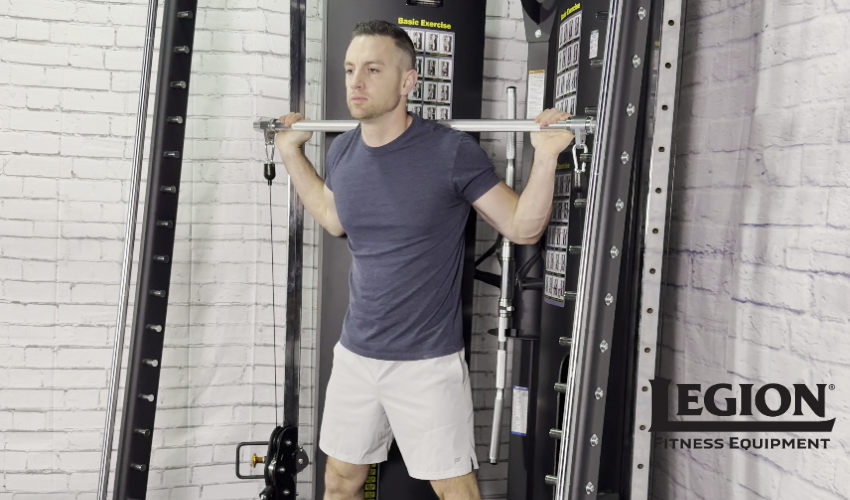
Legion Fitness Equipment specializes in creating strength training systems designed to maximize workout variety while maintaining a compact footprint. Rather than filling a room with multiple isolated machines, Legion's equipment philosophy emphasizes versatility, efficiency, and long-term performance.
This approach aligns perfectly with the needs of modern multifamily developments where space optimization and resident satisfaction are equally important.
Premium Aesthetics Matter More Than Many Developers Realize
Fitness centers are not just functional spaces—they are marketing assets.
Prospective residents frequently tour amenity areas before making leasing decisions. A fitness center that looks modern, organized, and professionally designed creates a powerful first impression.
Premium aesthetics communicate quality.
Clean lines, coordinated finishes, organized layouts, and commercial-grade equipment contribute to an environment that feels elevated and intentional. Residents are more likely to use and appreciate spaces that feel professionally designed rather than assembled as an afterthought.
This doesn't necessarily require excessive spending. Thoughtful design choices often create a more premium appearance than simply adding more equipment.
When apartment gym equipment is selected with both function and aesthetics in mind, the result is a fitness center that supports resident wellness while enhancing the property's overall brand image.
How Fitness Amenities Improve Resident Retention
Attracting new residents is important, but retaining existing residents is often even more valuable.
Resident turnover creates significant costs for property owners, including marketing expenses, vacancy losses, cleaning, maintenance, and leasing efforts. As a result, amenities that improve resident satisfaction can have a meaningful financial impact.
Fitness centers consistently rank among the amenities that residents use most frequently. Because they become integrated into daily routines, they create a stronger connection between residents and their community.
When residents feel that their apartment supports their lifestyle, they are more likely to renew leases and remain long-term tenants.
A premium fitness center demonstrates that a property is invested in resident wellness and convenience. This perception contributes to stronger satisfaction scores, improved retention rates, and enhanced community reputation.
Why Durable Multi-User Equipment Delivers Better ROI
When evaluating fitness center investments, durability should be a primary consideration.
Residential communities require equipment that can withstand repeated daily use from individuals with varying fitness experience levels. Inferior equipment may appear cost-effective initially but often results in higher maintenance expenses, increased downtime, and resident frustration.
Commercial-grade systems designed for shared environments offer a significantly better long-term return on investment.
Legion Fitness Equipment focuses on creating strength solutions built for consistent performance in high-use settings. Durable construction, efficient design, and versatile functionality help property owners maximize value while minimizing operational challenges.
For apartment communities seeking to create premium fitness experiences, equipment reliability is every bit as important as aesthetics.
Building a Fitness Center for the Future
The fitness industry will continue evolving, but certain principles remain timeless.
Residents want convenience. They want variety. They want quality. And they want fitness spaces that feel welcoming rather than intimidating.
Apartment communities that invest in flexible, space-efficient, premium fitness environments position themselves for long-term success. By focusing on versatility, durability, and resident experience, property owners can create amenities that remain relevant and valuable for years to come.
The goal isn't simply to fill a room with equipment.
The goal is to create a destination within the community—a space where residents can pursue their health goals, build routines, and improve their quality of life.
What Works Best for your Space
Designing a premium apartment fitness center doesn't require endless square footage or an overwhelming amount of equipment. The most successful facilities are built around intentional design, efficient layouts, and versatile solutions that maximize every available inch.
By embracing current multifamily fitness center trends, prioritizing durable apartment gym equipment, and focusing on the needs of shared spaces, developers and property managers can create fitness amenities that residents genuinely value.
When fitness centers combine functionality, premium aesthetics, and efficient use of space, they become far more than an amenity. They become a powerful driver of resident satisfaction, retention, and community appeal.
For apartment communities looking to elevate their fitness offerings, the future belongs to smart design, versatile strength training solutions, and equipment built specifically for shared environments. That's how premium fitness centers are created—and how valuable space is used to its fullest potential.
Share:
Is Your Gym Setup Holding You Back? Signs It’s Time to Upgrade
What Hotel Guests Actually Want in a Fitness Center in 2026