
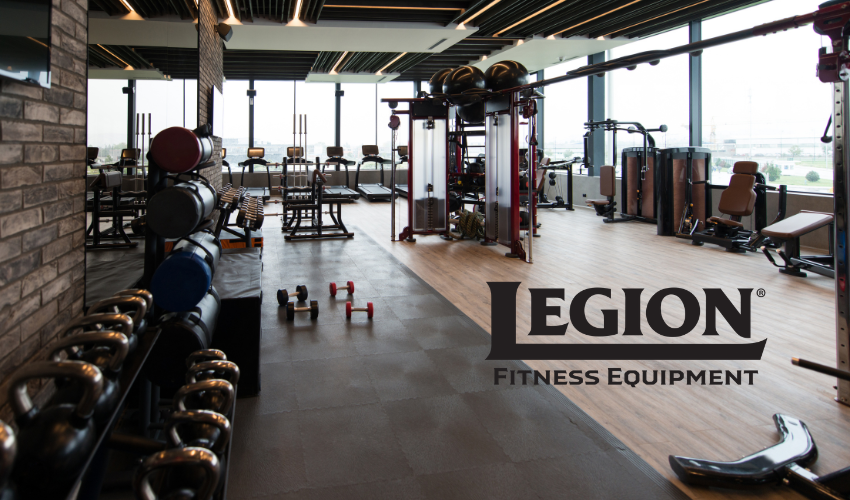
Not long ago, a hotel fitness center could get by with a treadmill, a stationary bike, and a rack of mismatched dumbbells tucked away in a converted storage room. As long as there was somewhere guests could break a sweat, most hotels considered the amenity box checked.
Those days are over.
Today's travelers have dramatically different expectations. Wellness is no longer a niche interest reserved for fitness enthusiasts. It has become a central part of how people travel, work, recover, and experience hospitality. Whether guests are traveling for business, leisure, or a combination of both, they increasingly expect fitness facilities that support their routines rather than disrupt them.
In 2026, hotel fitness centers are no longer viewed as secondary amenities. They are extensions of a property's brand experience. Guests notice them. They use them. They review them. And increasingly, they choose accommodations based on them.
For hotel owners, operators, and developers, this presents a significant opportunity. The right fitness center can enhance guest satisfaction, strengthen brand perception, improve reviews, and help differentiate a property in an increasingly competitive hospitality market.
The challenge is creating a premium fitness experience without sacrificing valuable square footage or creating operational headaches.
The answer lies in understanding what modern travelers actually want and selecting hotel fitness center equipment that is designed specifically for shared spaces.
The Rise of Wellness-Focused Travel
One of the biggest hospitality trends shaping 2026 is the continued growth of wellness-focused travel.
Guests are more health-conscious than ever before. Many travelers follow structured workout routines, track their activity levels, and prioritize movement as part of their daily lifestyle. For these individuals, missing several days of exercise while traveling is no longer acceptable.
Business travelers often spend significant portions of the year on the road and need reliable workout options to maintain consistency. Leisure travelers increasingly seek wellness experiences that complement relaxation and recovery. Even families are becoming more active during vacations and appreciate fitness amenities that support healthy habits.
This shift means hotel fitness centers are no longer optional conveniences. They are expected components of the guest experience.
Properties that understand this trend are investing in hotel fitness center equipment that delivers versatility, accessibility, and professional-quality performance.
Guests Want Strength Training, Not Just Cardio
For years, hotel gyms were heavily focused on cardiovascular equipment. Rows of treadmills, bikes, and ellipticals dominated most fitness centers because they were familiar and relatively easy to use.
While cardio remains important, guest expectations have evolved.
Strength training has become one of the fastest-growing fitness categories worldwide. Travelers increasingly want access to resistance training because it supports long-term health, improves mobility, helps maintain muscle mass, and provides efficient workouts during busy schedules.
Modern guests want the ability to perform full-body workouts without needing a commercial gym membership.
This trend has significantly changed how operators approach hotel fitness center equipment selection.
Rather than filling valuable floor space with numerous single-purpose machines, many hotels are shifting toward versatile strength-training systems that allow guests to perform a wide variety of exercises within a compact footprint.
This approach creates a more complete fitness experience while maximizing available space.
Space Efficiency Is More Important Than Ever
Hotel square footage is valuable.
Every area within a property must justify its existence through guest satisfaction, revenue generation, or brand enhancement. Fitness centers are no exception.
One of the most important trends in hotel fitness center design is the move toward highly efficient layouts. Instead of building larger fitness centers, many properties are building smarter ones.
Space-efficient hotel fitness center equipment allows operators to deliver greater functionality without expanding facility size.
Multi-functional strength systems are particularly effective because they provide numerous exercise options from a single station. This reduces equipment clutter, improves traffic flow, and creates a more open, premium environment.
Guests appreciate spaces that feel organized, clean, and easy to navigate. A fitness center packed with equipment may appear impressive initially, but often feels cramped and overwhelming in practice.
The most successful hotel fitness centers focus on maximizing workout possibilities rather than maximizing equipment quantity.
Easy Usability Matters More Than Advanced Features
One of the unique challenges of hotel fitness center design is accommodating users with vastly different fitness backgrounds.
Unlike private gyms or specialty training facilities, hotel fitness centers serve everyone from experienced athletes to first-time exercisers. Some guests may be using fitness equipment regularly, while others only work out occasionally.
This is why usability is critical.
The best hotel fitness center equipment is intuitive, approachable, and easy to understand. Guests should feel comfortable using equipment without requiring extensive instruction or staff assistance.
Complicated setups, confusing adjustments, and intimidating equipment can discourage usage and create frustration.
Simple, versatile strength systems allow guests to quickly begin their workouts while minimizing learning curves. This improves the overall guest experience and increases the likelihood that fitness facilities become a valued amenity rather than an overlooked room.
In shared spaces, simplicity often delivers better results than complexity.
Boutique Hotels Are Raising the Standard
Boutique hotels and lifestyle properties have significantly influenced fitness center expectations across the hospitality industry.
Rather than treating fitness facilities as secondary amenities, boutique brands often integrate wellness directly into their guest experience strategy. Fitness spaces are designed to feel intentional, stylish, and aligned with the property's overall identity.
Guests notice these details.
They appreciate fitness centers that feel thoughtfully curated rather than assembled from leftover equipment. Premium finishes, modern layouts, coordinated aesthetics, and high-quality hotel fitness center equipment contribute to an elevated experience.
As a result, larger hotels and resorts are increasingly adopting similar approaches.
The lesson is simple: fitness centers are becoming part of a property's brand story.
When done well, they communicate quality, attention to detail, and commitment to guest well-being.
Resort Guests Expect More Than a Basic Workout Room
Resort travelers often have even higher expectations than traditional hotel guests.
Many guests choose resorts specifically to relax, recharge, and focus on personal wellness. Fitness centers play an important role in supporting that goal.
Resort fitness spaces should accommodate multiple workout styles, including strength training, mobility work, functional fitness, and recovery-focused movement.
The ability to provide a comprehensive fitness experience within a compact footprint is one of the reasons multi-functional strength equipment has become increasingly popular in hospitality environments.
Guests want flexibility. They want the freedom to complete a quick workout before breakfast, a strength session after a conference, or a recovery-focused routine following outdoor activities.
Versatile equipment makes all of this possible without requiring extensive facility expansion.
Low-Maintenance Equipment Protects Long-Term ROI
While guest satisfaction is critical, hotel operators must also consider operational efficiency.
Fitness equipment that requires constant repairs, frequent service calls, or excessive maintenance can quickly become a burden.
Downtime affects guest experiences. Broken equipment generates complaints, reduces facility value, and can negatively impact online reviews.
This is why durability should be a top priority when evaluating hotel fitness center equipment.
Commercial-grade systems designed for shared environments offer significant advantages. Durable construction, reliable components, and thoughtful engineering reduce maintenance requirements while extending equipment lifespan.
For hotels, this translates into lower operating costs and more consistent guest experiences.
Equipment that performs reliably year after year delivers far greater value than equipment that requires frequent replacement.
Why Shared Spaces Need Multi-User Solutions
The theme of modern hospitality fitness design can be summed up in three words: Built for Shared Spaces.
Unlike private home gyms, hotel fitness centers must accommodate dozens—or even hundreds—of users throughout the week. Equipment must support varying fitness levels, different workout preferences, and continuous use.
This is where multi-user strength systems excel.
Rather than dedicating space to numerous isolated machines, hotels can provide broader workout capabilities through versatile equipment solutions.
Guests benefit from greater exercise variety. Operators benefit from improved space efficiency. The property benefits from a cleaner, more professional appearance.
This balance between functionality and efficiency is exactly what modern hospitality design demands.
Premium Aesthetics Influence Guest Perception
People often underestimate how much visual presentation impacts fitness center usage.
A clean, modern, professionally designed space encourages participation. Guests are more likely to use facilities that feel welcoming, organized, and premium.
This is especially important in an era where travelers frequently share experiences online. Photos of amenities often influence booking decisions and online reviews.
Hotel fitness center equipment should complement the property's overall design aesthetic rather than feel disconnected from it.
Modern strength systems with sleek profiles, durable finishes, and thoughtful layouts help create spaces that guests are proud to use—and photograph.
In many ways, aesthetics are no longer optional. They are part of the experience.
How Legion Supports Modern Hospitality Fitness Centers
As wellness expectations continue to evolve, hospitality operators need equipment solutions that balance functionality, durability, and efficient design.
Legion Fitness Equipment focuses on strength systems built to maximize training options while minimizing wasted space. This philosophy aligns perfectly with the needs of modern hotels, resorts, and hospitality properties.
Rather than filling rooms with numerous single-purpose machines, Legion's approach emphasizes versatility, durability, and long-term performance. This allows hotels to provide guests with meaningful workout experiences while maintaining efficient facility footprints.
For shared environments, this combination of usability, reliability, and premium presentation is increasingly important.
Looking Ahead: The Future of Hotel Fitness Centers
The future of hospitality fitness is not larger gyms—it is smarter gyms.
Guests want flexibility. They want strength training. They want wellness-focused experiences that fit seamlessly into their travel routines.
At the same time, hotel operators need solutions that maximize space, minimize maintenance, and support long-term operational goals.
The properties that succeed in 2026 and beyond will be those that understand both sides of this equation.
They will create fitness environments that feel premium without becoming complicated. They will invest in hotel fitness center equipment that supports a broad range of users while preserving valuable square footage. Most importantly, they will recognize that wellness is no longer a trend—it is a permanent expectation.
What Hotel Guests Really Want
What hotel guests actually want in a fitness center in 2026 is surprisingly straightforward.
They want convenience. They want versatility. They want strength training options. They want clean, modern spaces that support their health goals without feeling intimidating or overcrowded.
For hotel owners and operators, meeting these expectations does not require massive facilities or excessive equipment investments. It requires thoughtful planning, smart layouts, durable equipment, and a commitment to creating spaces that are truly built for shared spaces.
By prioritizing space-efficient design, easy usability, low-maintenance solutions, and premium aesthetics, hotels can transform fitness centers from overlooked amenities into powerful guest satisfaction drivers.
In today's hospitality landscape, that's more than a fitness upgrade—it's a competitive advantage.
Share:
How to Design a Premium Apartment Fitness Center Without Wasting Space
Why Strength Training Beats Endless Cardio for Long-Term Results