Planning for 2027: How to Choose the Right Equipment for Your Facility
As fitness facilities, apartment communities, hotels, training studios, and other shared-use spaces begin planning for 2027, equipment selection is likely to become an increasingly important part of the conversation. A new facility may be preparing to open, an existing fitness center may be ready for an upgrade, or a property owner may simply be trying to determine how to get more value from an existing training space. Regardless of the situation, one of the most important decisions involves understanding exactly what type of equipment the facility needs. That decision often begins with a simple question: should you invest in light commercial gym equipment or full commercial gym equipment?
At first glance, the difference may seem straightforward. One category is designed for lighter use, while the other is designed for heavier use. In reality, however, the decision involves much more than simply estimating how many people will use a machine each day. Facility type, expected traffic, user behavior, available space, maintenance expectations, budget, training goals, and long-term plans can all influence which option makes the most sense. Choosing incorrectly can create expensive problems. Equipment that is not designed for the level of use it receives may experience excessive wear, require more frequent maintenance, or need replacement sooner than expected. On the other hand, purchasing the most heavy-duty equipment available is not always the most efficient decision if a facility does not actually need that level of commercial capacity. The goal is not automatically to buy the biggest or most expensive equipment. The goal is to make an intelligent investment in equipment that matches the environment where it will be used.
For businesses and facilities planning ahead, understanding the differences between light commercial gym equipment and full commercial equipment can help prevent costly mistakes while creating a better experience for the people who use the space. It can also help facility owners think more strategically about cost efficiency, durability, functionality, and the type of training environment they want to build heading into 2027 and beyond.
What Is Light Commercial Gym Equipment?
Light commercial gym equipment generally occupies the space between traditional residential equipment and the heavy-duty machines found in large commercial gyms. It is typically designed for environments where equipment will be used by multiple people but where traffic is lower than what would be expected in a major health club or large fitness chain.
This makes light commercial gym equipment particularly relevant for facilities such as apartment and condominium fitness centers, hotels, corporate wellness spaces, private training studios, small athletic facilities, fire stations, community centers, and other shared environments with moderate levels of daily use.
The exact specifications can vary from manufacturer to manufacturer, which is why buyers should never assume that every product labeled “light commercial” is built to the same standard. Construction quality, frame design, resistance systems, component durability, warranty coverage, and intended usage can differ significantly between equipment brands.
However, the general purpose remains consistent. Light commercial equipment is designed to provide greater durability and reliability than standard residential equipment while remaining more practical for facilities that do not experience nonstop traffic from hundreds of users every day. This category can be an excellent fit for businesses that want professional-quality training capabilities without building a full-scale commercial health club.
What Is Full Commercial Gym Equipment?
Full commercial gym equipment is generally designed for environments where machines may be used continuously throughout the day by a large number of people. Large gyms, fitness chains, university recreation centers, major athletic facilities, and high-volume health clubs are examples of environments where full commercial equipment may be necessary. In these settings, equipment can experience significant wear. Machines may be used from early morning until late at night, often by users with different levels of experience and training styles. A single piece of equipment may support dozens of workouts in one day.
Because of these demands, full commercial equipment is typically engineered with heavy-duty construction and components intended to withstand intensive, repeated use. Facilities may also require equipment designed around specific commercial maintenance schedules and service requirements. For a high-volume gym, this level of durability is not necessarily a luxury. It can be essential to keeping the facility operating effectively.
However, the fact that full commercial equipment is designed for demanding environments does not automatically mean it is the right choice for every shared-use space. The needs of a major fitness chain are very different from the needs of a boutique hotel or private apartment community. That is why usage expectations should always be considered before making an equipment decision.
Usage Levels Should Drive the Decision
One of the most important factors when choosing between light commercial gym equipment and full commercial equipment is understanding how the facility will actually be used. A facility owner should consider more than the total number of people who have access to the equipment. The more important question is how frequently those people are likely to use it.
For example, an apartment community may have several hundred residents, but only a portion of those residents may use the fitness center regularly. Even among regular users, workout schedules will vary. The equipment may experience moderate traffic throughout the day without ever reaching the continuous usage levels of a large commercial gym. A hotel presents a different situation. Guest turnover is constant, but the number of people using the fitness center at any one time may remain relatively low. A well-designed light commercial setup may provide the durability and functionality required for that environment without the need to build a large commercial facility.
A personal training studio may also have limited total traffic while placing significant demands on its equipment during scheduled sessions. In that case, the facility owner needs to evaluate not only how many people use the equipment but also how intensely it will be used. Understanding these patterns is essential when planning for 2027. A facility should not purchase equipment based solely on what it hopes to become. It should consider current demand, realistic growth expectations, and the type of users the space is designed to serve.
Different Facilities Have Different Equipment Needs
There is no universal answer to the question of which type of equipment is best because different facilities operate in different ways. An apartment fitness center may prioritize versatility and space efficiency. Residents have a wide range of fitness goals, and the available room may be limited. The facility needs equipment that can support multiple users and provide a broad selection of training options without filling the entire space with single-purpose machines.
Hotels and resorts may place a greater emphasis on accessibility and ease of use. Guests may be unfamiliar with the equipment, may have limited time, and may expect a clean, attractive environment that supports a convenient workout during their stay. Corporate wellness facilities may focus on helping employees fit efficient training sessions into busy workdays. A versatile strength system can be particularly valuable in these environments because it allows users to complete comprehensive workouts without requiring an enormous footprint.
Personal training studios have another set of priorities. Trainers need equipment that can adapt to different clients, fitness levels, and programming styles. The ability to modify exercises quickly and efficiently can have a direct impact on the client experience and the trainer's workflow. Each of these environments may benefit from light commercial gym equipment, depending on traffic levels and specific operational needs. The important point is that equipment selection should be based on the facility itself rather than a one-size-fits-all assumption about what shared spaces require.
Durability Is About More Than How Heavy Something Feels
When buyers hear the word durability, they often focus on the physical appearance of the equipment. A large, heavy frame may certainly communicate strength, but true durability involves much more than the size of the machine. Durability includes the quality of the materials, the design of the moving components, the reliability of the resistance system, the stability of the equipment during use, and the ability of the machine to maintain performance over time.
A durable piece of equipment should be capable of supporting its intended usage without becoming unreliable after a relatively short period. This is particularly important in shared facilities where equipment may be used by individuals with varying levels of experience. Users may not treat equipment with the same level of care as someone who owns a private home gym. Adjustments may be made incorrectly, components may receive more frequent use, and facility managers may not always be present to monitor every interaction.
That is why businesses should evaluate equipment based on the environment it is expected to serve. A light commercial setting still requires equipment capable of supporting repeated use. The difference is that the equipment may not need to withstand the nonstop traffic expected at a major commercial gym.
The Cost of Equipment Should Be Viewed as a Long-Term Investment
Purchase price is naturally an important consideration, but it should not be the only number in the decision. A lower-cost machine may appear to offer immediate savings, but those savings can disappear if the equipment requires frequent repairs, creates user frustrations, or needs replacement much sooner than expected. At the same time, purchasing the most expensive full commercial equipment available may not create the best return on investment if the facility will never approach the usage levels for which that equipment was designed.
Cost efficiency comes from matching the investment to the need. When evaluating light commercial gym equipment, facility owners should consider the total value the equipment provides over its expected lifespan. This includes durability, versatility, maintenance requirements, user satisfaction, available warranty coverage, and the amount of functionality delivered within the equipment's footprint.
A versatile strength system can be particularly valuable because one piece of equipment may support multiple exercises and training styles. This can reduce the need to purchase numerous single-purpose machines while helping facilities make better use of available square footage. For facilities where space is limited, that efficiency can have a direct financial benefit.
Space Efficiency Matters More Than Ever
Planning for 2027 means recognizing that fitness spaces are changing. Many facilities no longer have the luxury of dedicating enormous areas to rows of specialized machines. Property values, lease costs, construction expenses, and changing user expectations have all contributed to a greater focus on efficiency. Facility owners increasingly need to think about what each piece of equipment contributes to the overall training experience. A large machine that supports only one or two movements may not deliver enough value in a compact facility. A versatile strength system that supports multiple movement patterns can provide significantly more functionality from the same amount of space.
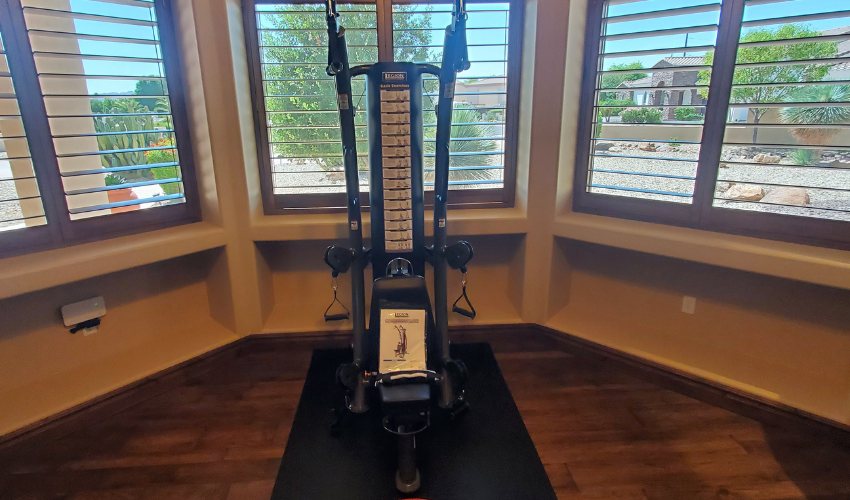
This is one area where Legion Fitness Equipment's approach is especially relevant. Legion is positioned around versatile strength systems designed to provide substantial training capabilities without requiring an entire room filled with individual machines. For facilities that want to support full-body strength training while using space intelligently, that type of design can offer a practical alternative to the traditional approach of filling a room with as many separate machines as possible. For a light commercial facility, this can create an appealing balance between professional functionality and efficient space utilization.
Legion's Positioning in the Light Commercial Conversation
Legion Fitness Equipment is particularly relevant to the conversation surrounding versatile, performance-focused training environments because many modern facilities need more functionality without unnecessary complexity. Not every apartment community, hotel, private training facility, or shared-use space needs to recreate the equipment floor of a large commercial gym. In fact, attempting to do so may create unnecessary costs and inefficient layouts.
Instead, many facilities benefit from a carefully selected combination of equipment that supports a broad range of users and training goals. Legion's G-series systems are designed around versatile strength training and full-body functionality. This approach can help facilities create a more complete training experience while reducing the need for multiple isolated machines.
For buyers considering light commercial gym equipment, the key advantage of versatility is long-term flexibility. A single facility may serve beginners, experienced users, individuals focused on general fitness, and people pursuing more serious strength goals. Equipment that supports multiple movement patterns and training styles can help accommodate that range of needs. This positioning makes Legion especially relevant for facilities that want to create a professional and capable training environment without automatically committing to a traditional large-scale commercial gym model.
User Experience Should Be Part of the Equipment Decision
The people using the equipment should remain at the center of every purchasing decision. A facility can invest heavily in equipment, but if users find the space intimidating, confusing, uncomfortable, or poorly organized, the investment may not deliver the intended value.
Light commercial environments often serve a particularly broad audience. An apartment fitness center may include complete beginners and experienced lifters. A hotel may welcome guests who train every day as well as people who exercise only occasionally. A corporate wellness space may serve employees with completely different levels of fitness experience. Equipment should be versatile enough to support those differences while remaining approachable.
Clear design, practical adjustments, stable construction, and intuitive functionality can all contribute to a better user experience. A facility does not need to overwhelm people with dozens of machines to create a capable workout environment. In many cases, a smaller number of well-selected pieces can provide a better experience than a crowded room filled with equipment that users do not understand or rarely use.
Maintenance Expectations Should Be Realistic
Every piece of fitness equipment requires some level of maintenance over time. The amount of maintenance required, however, can vary depending on equipment quality, usage levels, and the environment where it is installed.
Facility owners should think realistically about their ability to maintain the equipment they purchase. A high-volume commercial gym may have dedicated maintenance procedures or service relationships that support a large equipment inventory. A small apartment community or boutique hotel may have a very different operational structure. Choosing equipment that aligns with available maintenance resources can help prevent unnecessary problems.
Durability and thoughtful equipment design can reduce the likelihood of frequent disruptions, but no equipment is completely maintenance-free. The goal is to choose products appropriate for the expected level of use and establish reasonable processes for inspections, cleaning, and servicing. Planning ahead for maintenance is part of planning ahead for cost efficiency.
Planning for Growth Without Overbuilding
One challenge facility owners face is balancing current needs with future ambitions. A new training studio may expect to grow its client base. An apartment community may plan future expansion. A hotel may be positioning itself for a more premium guest experience.
It makes sense to consider those future goals when purchasing equipment, but planning for growth does not necessarily mean overbuilding the facility from day one. A more strategic approach is to choose versatile equipment that can continue providing value as demand increases. Flexibility can be more valuable than excess capacity.
For example, a facility may not need ten individual strength machines today, and it may never need them. A versatile system that supports multiple exercises may provide a better foundation while leaving room for future additions if demand changes.
This approach can help businesses manage costs while maintaining the ability to evolve. That is an important part of the Planning for 2027 mindset. Smart facility planning is not about predicting every possible future outcome. It is about making investments that remain useful as needs change.
How to Decide Which Option Is Right for Your Facility
The best way to determine whether light commercial or full commercial equipment is appropriate is to evaluate your facility honestly. Consider how many people will realistically use the equipment each day. Think about how long each workout typically lasts and how intensively the equipment will be used. Evaluate the type of facility you operate and the expectations of your users.
Next, consider space. Determine how much room is available and how efficiently that space needs to be used. A compact facility may benefit significantly from versatile equipment capable of supporting multiple exercises rather than a large collection of single-purpose machines.
Budget should also be considered from a long-term perspective. Instead of looking only at the initial purchase price, think about durability, maintenance, replacement costs, user experience, and the amount of functionality the equipment provides. Finally, think about the future. Choose equipment that supports your current needs while remaining flexible enough to continue delivering value as your facility evolves.
For many shared-use environments, light commercial gym equipment can offer a practical balance of durability, functionality, and cost efficiency. For facilities with continuous, high-volume traffic, full commercial equipment may be the more appropriate investment. The right choice depends on the environment.
Make a Smarter Equipment Plan for 2027
The difference between light commercial and full commercial gym equipment is not simply a matter of deciding which category is better. Both serve important purposes, and both can be excellent investments when matched to the right environment. The most important factor is understanding your facility.
High-volume gyms and major fitness centers may require the extreme durability and capacity of full commercial equipment. Smaller shared-use spaces may benefit from the flexibility and cost efficiency of light commercial gym equipment, particularly when equipment is selected based on realistic usage expectations and long-term needs. As businesses begin planning for 2027, this is the perfect time to evaluate existing fitness spaces and identify opportunities for improvement. Consider how equipment is being used, where space is being wasted, whether users have enough variety in their workouts, and whether the current setup can support future growth.
Legion Fitness Equipment offers a compelling approach for facilities seeking versatile, space-efficient strength solutions. By focusing on comprehensive functionality and adaptable training, Legion systems can help create capable environments for a range of shared-use facilities without requiring every space to operate like a massive commercial health club.
The smartest equipment investment is not always the cheapest option, and it is not always the heaviest-duty option. It is the option that delivers the right combination of durability, functionality, user experience, and long-term value for the people who will actually use it. That is the real goal of planning ahead.
As 2027 approaches, now is the time to move beyond simply buying gym equipment and start thinking strategically about the type of training environment you want to create. Evaluate usage. Consider your space. Plan for realistic growth. Invest in equipment that matches the demands of your facility, and prioritize versatility wherever it can create additional value.
With the right strategy, light commercial gym equipment can help many facilities create a professional, durable, and highly functional fitness experience while making smarter use of both their available space and their equipment budget. That kind of planning does more than prepare a facility for the coming year. It creates a stronger foundation for everything that comes after it.
Share:
How to Build Muscle at Home Heading into Winter